
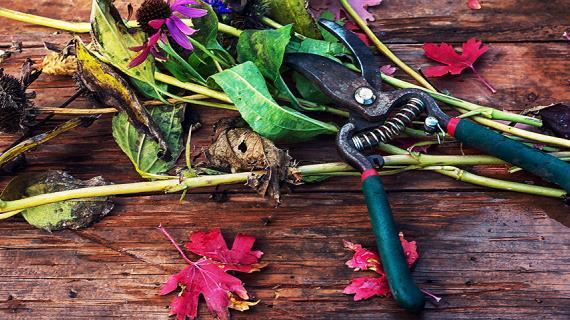
Autumn Pruning: A Guide to Preparing Your Orchard and Vineyard for Winter
In the climate of Uzbekistan, autumn pruning is a vital step in preparing your garden for winter. Proper pruning helps plants survive the cold season and ensures a bountiful harvest in the coming year.
Pruning Grapevines
Grapevines and other fruit-bearing vines should not be pruned in early spring, as this triggers intense sap flow (known as "vine weeping"), causing the plant to lose essential nutrients. Autumn, after leaf fall, is the ideal time. Choose your training method (fan or cordon) based on your specific variety and space.
Berry Bushes
Currants, gooseberries, and other berry bushes are best pruned in the autumn. Because their buds wake up very early in the spring, you might miss the optimal window for pruning if you wait. Remove old and overcrowded branches right down to the base. This improves air circulation and light penetration.
Raspberry Care
Standard raspberries should be pruned immediately after harvest by cutting the two-year-old fruiting canes to the ground. If you missed this in the summer, do it now. For everbearing (remontant) raspberries, cutting all canes to the ground in autumn is the most effective method for simplifying care and pest management.
Fruit Tree Management
Formative pruning for apple and pear trees is best left for spring. However, in autumn, you can remove shaded or unproductive branches. Important tip: Do not cut them flush with the trunk; leave a 15 cm "protective stub." This prevents frost from penetrating the tree's tissues through the large wound. In the spring, you can trim the stub flush.
Tips and Common Mistakes
- Tools: Always use sharp, disinfected pruners to prevent the spread of diseases.
- Temperature: Perform pruning on conifers and other plants only when temperatures are above +4°C.
- Mistake: Do not leave pruned branches under the trees; remove and destroy them to prevent fungal outbreaks.
- Hydrangeas: Always cut off flower heads in autumn so that heavy winter snow does not break the branches.
Source: SuperSadovnik (maqola)