
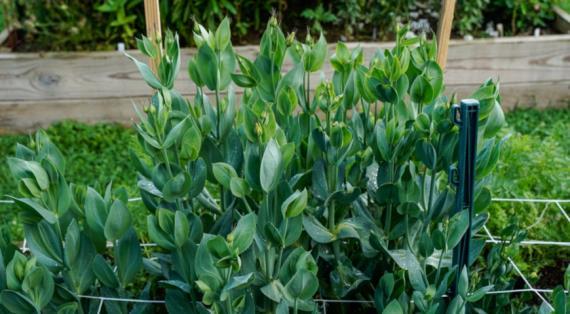
Growing Eustoma: A Step-by-Step Guide from Sowing to Planting
Eustoma (Lisianthus) is a highly valued flower in Uzbekistan, suitable for both greenhouse cultivation and garden beds. Due to its long growth cycle, precise timing is essential for success.
Variety Selection and Sowing
- Tall varieties (75-120 cm): Intended for cutting; sow between November and mid-January.
- Compact pot varieties (up to 30 cm): Best sown in late February.
Use a light, well-draining soil mix. Since eustoma seeds are tiny, surface sowing with a light dusting of soil is sufficient.
Pricking Out and Planting
- Pricking out: Perform this when the first true leaves appear. Use individual pots to avoid damaging the root system during transplanting.
- Planting out: Once 4-6 pairs of leaves have developed (usually May-June), move the seedlings to the garden. In Uzbekistan's climate, choose wind-sheltered areas with partial shade to protect plants from intense heat.
- Soil preparation: Dig the soil and incorporate a complete mineral fertilizer, such as azophoska or nitrophoska.
Fertilization and Protection
In fertile soil, 2-3 feedings per season are sufficient. During the first month after transplanting, use mineral fertilizers for seedlings, reducing the concentration recommended on the package by half. Mulching with peat is highly effective for moisture retention.
For fungal disease prevention during rainy periods, use Fitosporin or Fundazol (1g per 1 liter of water). Treat aphids and spider mites with authorized pesticides.
Tips and Common Mistakes
- Root collar: Ensure the root collar remains at soil level during planting; do not bury it too deep.
- Watering: Maintain regular watering, but avoid waterlogging the soil.
- Location: While eustoma loves light, it requires protection from the scorching afternoon sun in Uzbekistan, making partial shade an ideal choice.
Source: SuperSadovnik (maqola)