
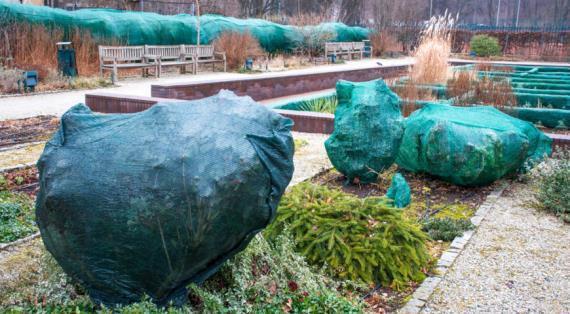
How to Prevent Vine and Crop Damp-Off During Winter Thaws
In Uzbekistan, winter thaws with temperatures reaching +2…+5 °C are quite common. Under sealed winter covers, high humidity and stagnant warm air create a greenhouse effect that leads to damp-off and fungal infections in grapevines and young perennials. This guide explains how to properly ventilate covered crops during warm spells.
Risks of Warm Weather Under Winter Covers
When temperatures remain above freezing under airtight coverings, several issues arise:
- Fungal Diseases and Mold: Stagnant warm air promotes rapid growth of snow mold and grey rot on unripened shoots.
- Premature Bud Break: Plants mistake the warmth for spring, consuming stored nutrients. Subsequent frosts will kill the awakened buds.
- Root Collar Waterlogging: Accumulated rainwater and melted snow freeze during sudden cold snaps, damaging the bark at the base of the plant.
Steps for Proper Winter Ventilation
Follow these practical steps when mild weather sets in during winter:
- Open End Vents: Lift the bottom edges of spunbond or fabric covers by 20–30 cm at opposite ends to establish cross-ventilation.
- Clean Plant Debris: Remove fallen leaves and weeds from beneath the shelter, as they quickly rot in humid conditions.
- Drain Excess Water: Dig small drainage furrows around the base of plants to divert pooled water away from the root zone.
- Apply Fungicides if Needed: If white or pinkish mold appears on the bark, spray shoots with a 1% Bordeaux mixture or copper-based fungicide on a dry day above freezing.
Common Mistakes and Tips
Avoid mounding wet soil, peat, or sawdust around the root collar during damp thaws. Peat acts like a sponge and freezes into a solid ice ring when temperatures drop, killing the root collar. Keep ventilation gaps open until stable freezing temperatures (below -2…-3 °C) return.
Source: SuperSadovnik (maqola)