
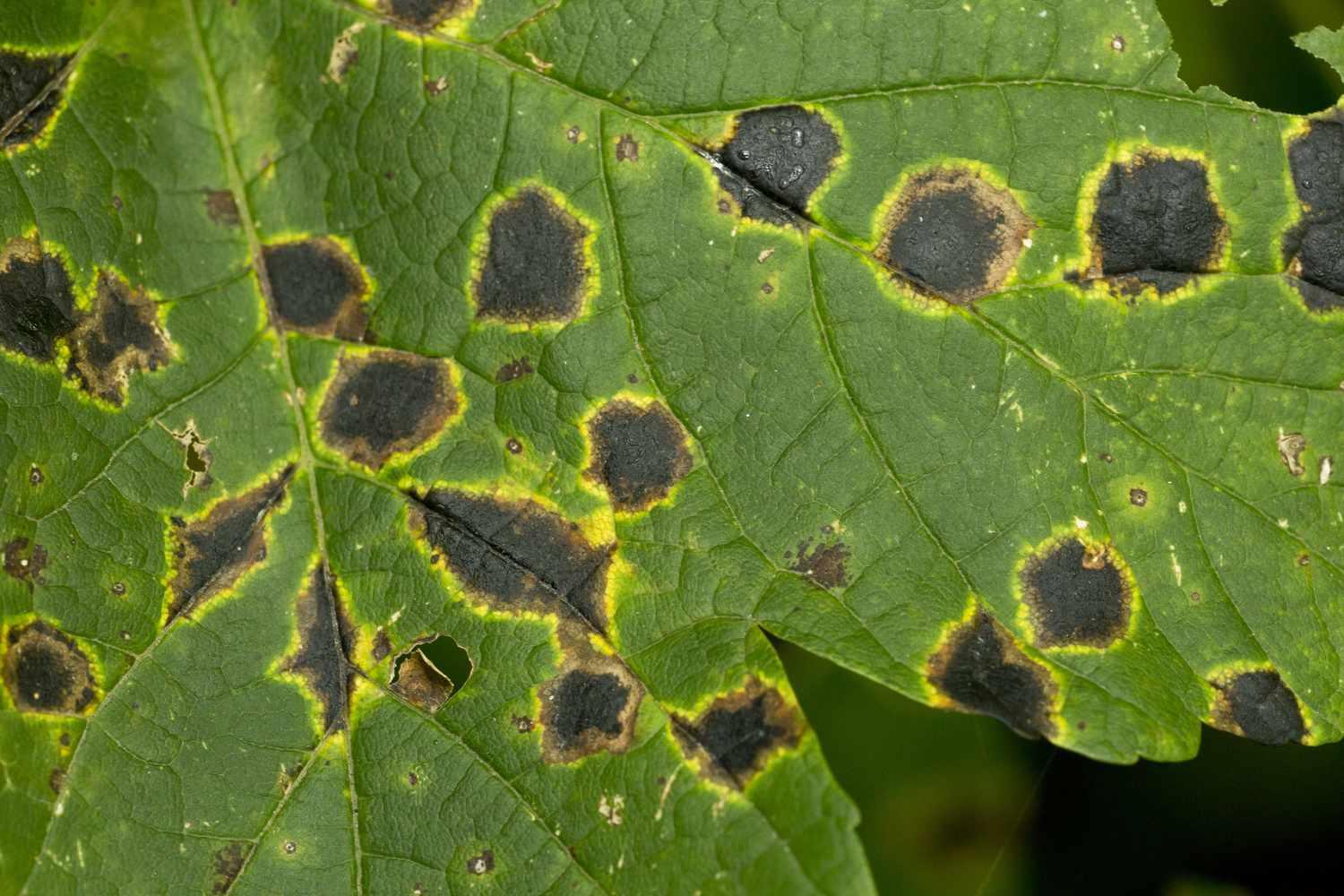
Anthracnose
What it is and its pathogen
Anthracnose is a devastating fungal disease that affects a wide range of crops across Uzbekistan, particularly during periods of high humidity or improper irrigation management. It is caused by various species of fungi within the genus Colletotrichum, most notably Colletotrichum gloeosporioides and Colletotrichum acutatum. The pathogen survives in infected plant debris, soil, and seeds, acting as a primary source of inoculum for the following season. In the hot, irrigated fields of Uzbekistan, the disease can spread rapidly, leading to significant yield losses and reduced market quality of produce.
Which crops it affects
Anthracnose has a broad host range, making it a persistent challenge for diversified farming operations. In Uzbekistan, it most commonly impacts cucurbits (melons, watermelons, cucumbers, and pumpkins), solanaceous crops (tomatoes and peppers), and various fruit trees such as grapes and walnuts. Greenhouse-grown vegetables are particularly susceptible due to the enclosed, humid environments that favor fungal proliferation.
Symptoms
Symptoms vary slightly by crop but generally manifest as necrotic lesions. Key signs include:
- Leaves: Small, water-soaked spots that turn brown or black, often surrounded by a yellow halo. As the disease progresses, these spots may merge, causing leaf blight and premature drop.
- Stems: Sunken, elongated lesions (cankers) that can girdle the stem, cutting off nutrient transport and causing wilting of the upper foliage.
- Fruits: Circular, sunken, dark-colored lesions that may develop a pink or orange mass of fungal spores in the center under humid conditions. Fruits often rot or become unmarketable.
- Roots: While less common, root rot can occur in seedlings, leading to 'damping off' and stunted growth.
Conditions that favour it
The pathogen thrives in warm, moist conditions. In Uzbekistan, the disease is most prevalent during the spring and early summer when rainfall is higher, or in greenhouses where ventilation is poor. Temperatures between 20°C and 28°C are optimal for spore germination and infection. The disease spreads rapidly through water splash (rain or overhead irrigation), wind-blown spores, and contaminated tools. High humidity levels within dense crop canopies provide the perfect microclimate for the fungus to establish itself.
Prevention
Effective management relies on an integrated approach to break the disease cycle:
- Crop Rotation: Rotate susceptible crops with non-host plants (such as cereals) for at least 2-3 years to reduce soil-borne inoculum.
- Resistant Varieties: Whenever possible, select and plant certified, disease-resistant or tolerant cultivars suited for the local climate.
- Irrigation Management: Use drip irrigation instead of overhead sprinklers to keep foliage dry and reduce spore dispersal.
- Hygiene: Remove and destroy all infected plant debris immediately after harvest. Do not compost diseased material.
- Canopy Management: Prune plants to improve airflow and reduce humidity around the fruit and foliage.
Treatment
When cultural practices are insufficient, chemical or biological intervention is necessary. For biological control, products containing Bacillus subtilis or Trichoderma species can be applied preventatively to suppress fungal growth. For chemical control, use active ingredients such as copper hydroxide, mancozeb, azoxystrobin, or difenoconazole. Always follow the product label instructions regarding application rates and strictly observe the pre-harvest interval (PHI) to ensure food safety. It is critical to alternate between different chemical groups to prevent the development of fungicide resistance in the pathogen population.
Quick checklist for the farmer
- Monitor fields regularly, especially after rainfall or irrigation.
- Ensure proper spacing between plants to facilitate air circulation.
- Sanitize all pruning tools with a disinfectant between rows.
- Apply fungicides preventatively during high-risk weather periods rather than waiting for severe symptoms.
- Rotate active ingredients to maintain the efficacy of your chemical program.