
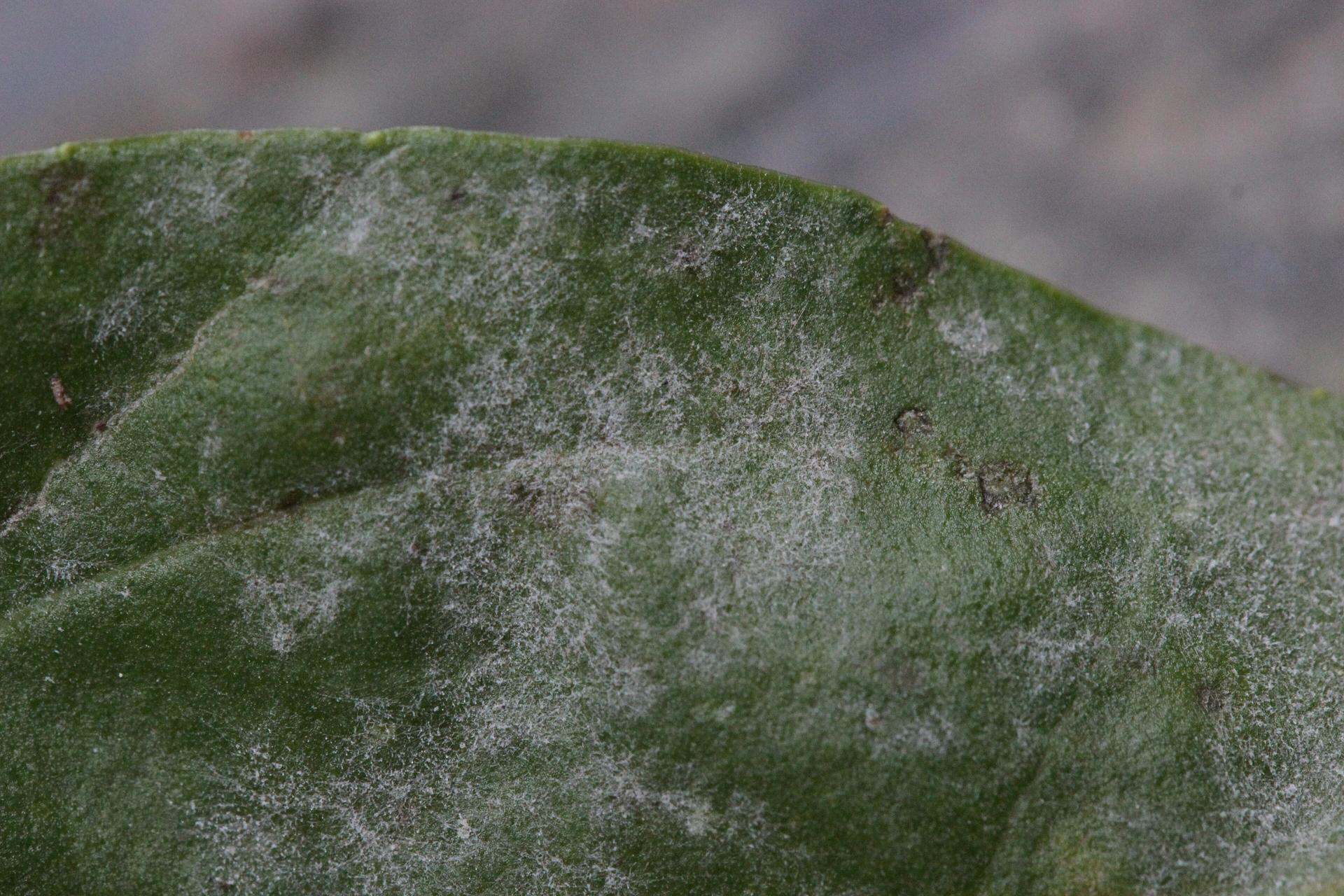
Cucumber Powdery Mildew
What it is and its pathogen
Powdery mildew is one of the most prevalent and destructive fungal diseases affecting cucurbits in Uzbekistan, particularly in both open-field production and greenhouses. The disease is primarily caused by the obligate biotroph fungus Podosphaera xanthii (formerly Sphaerotheca fuliginea). This pathogen thrives by extracting nutrients from the host plant's epidermal cells, leading to reduced photosynthesis, stunted growth, and significant yield losses. In the arid climate of Uzbekistan, the disease often appears mid-season when temperatures rise and humidity fluctuates, especially under irrigation systems that create micro-climates conducive to fungal development.
Which crops it affects
While the disease is most commonly associated with cucumbers (Cucumis sativus), it has a wide host range among the Cucurbitaceae family. In Uzbekistan, it frequently affects melons, watermelons, pumpkins, squashes, and various gourds. The pathogen can easily spread between these crops if they are planted in close proximity or in succession within the same field.
Symptoms
The disease is characterized by a distinct appearance that is easy to identify in the field:
- Leaves: Initial symptoms appear as small, circular, white powdery spots on the upper or lower leaf surfaces. These spots expand rapidly, eventually covering the entire leaf with a white, mycelial mat that resembles flour or talcum powder.
- Stems: In severe infections, the white fungal growth can spread to the petioles and stems, causing them to become brittle and eventually turn brown or necrotic.
- Fruits: While the pathogen prefers leaves, heavy infections can lead to premature ripening, poor fruit development, and sunscald due to the loss of the protective leaf canopy.
- Plant vigor: Infected plants show chlorosis (yellowing), followed by leaf curling and premature senescence, which drastically reduces the plant's ability to produce marketable fruit.
Conditions that favour it
Podosphaera xanthii does not require free water on the leaf surface to germinate, which makes it particularly problematic in dry climates. It thrives in temperatures between 20°C and 28°C. High humidity at night, combined with warm, dry days, creates the perfect environment for spore production and dispersal. In greenhouses, poor ventilation and high plant density significantly increase the risk of an epidemic. Spores are easily spread by wind, farm equipment, and workers moving through the rows.
Prevention
Effective management requires an integrated approach to minimize the initial inoculum and slow the spread of the fungus:
- Resistant Varieties: Whenever possible, select cucumber cultivars specifically bred for resistance or tolerance to powdery mildew.
- Crop Rotation: Avoid planting cucurbits in the same soil for more than two consecutive years to break the disease cycle.
- Field Hygiene: Remove and destroy infected plant debris immediately after harvest to prevent the fungus from overwintering in the soil or greenhouse structures.
- Ventilation: In greenhouses, ensure adequate spacing and proper ventilation to lower humidity levels and improve air circulation.
- Irrigation Management: Use drip irrigation to keep the foliage dry and reduce micro-climatic humidity around the base of the plant.
Treatment
When chemical or biological intervention is necessary, timing is critical. Apply treatments at the first sign of infection. Biological options: Products based on Bacillus subtilis or Ampelomyces quisqualis can be effective when used preventatively or during early stages of infection. Chemical options: Effective active ingredients include sulfur (in various formulations), potassium bicarbonate, triazoles (e.g., tebuconazole, difenoconazole), and strobilurins (e.g., azoxystrobin). Always follow the product label instructions regarding dosage and the mandatory waiting period before harvest. It is vital to alternate between different chemical groups to prevent the pathogen from developing resistance.
Quick checklist for the farmer
- Inspect the undersides of leaves weekly for early white spots.
- Ensure proper plant spacing to allow airflow.
- Sanitize tools and equipment after working in infected areas.
- Rotate crops to non-cucurbit species.
- Apply fungicides preventatively if the disease is known to be in the area.
- Always rotate active ingredients to maintain treatment efficacy.