
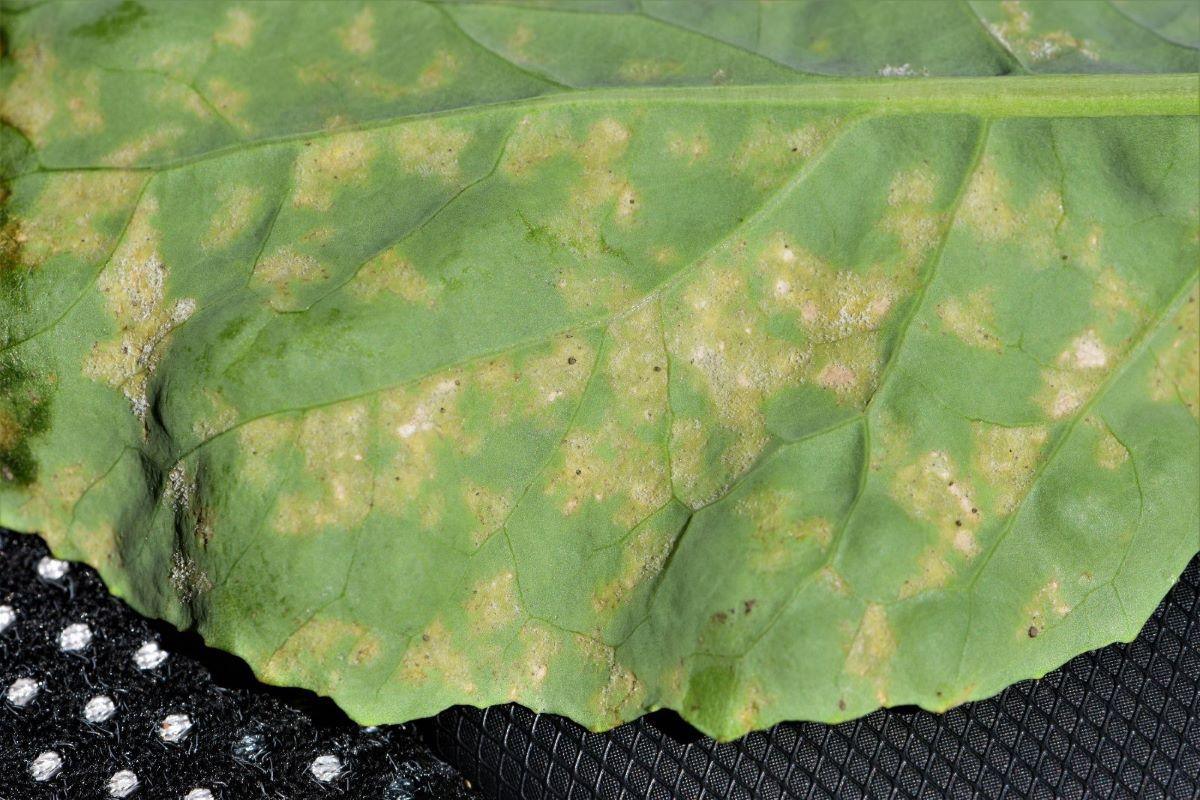
Downy Mildew
What is Downy Mildew?
Downy mildew (locally known as pastki chiriyotgan or soxta un-shudring) is a devastating plant disease caused by specialized, fungus-like oomycete pathogens (such as Pseudoperonospora cubensis on cucurbits, Peronospora destructor on onions, and Plasmopara viticola on grapes). Although often mistaken for true powdery mildew, downy mildew organisms are water molds closely related to late blight. They parasitize host plant tissues, destroying photosynthetic capacity and causing severe yield losses if not managed promptly.
Affected Crops
In Uzbekistan, downy mildew poses a significant threat to both open-field crops and greenhouse production. The primary host plants include:
- Cucurbits: Cucumbers, melons, watermelons, squashes, and pumpkins.
- Allium species: Onions, garlic, and leeks.
- Viticulture: Table and wine grapevines.
- Other crops: Spinach, lettuce, and cruciferous vegetables.
Symptoms
Symptoms vary slightly depending on the host crop, but the infection typically displays distinct diagnostic features on above-ground plant parts:
- Leaves: The upper surface develops angular, chlorotic (yellowish) spots bounded by leaf veins. As the disease progresses, these lesions turn brown and necrotic.
- Underneath leaves: Under humid conditions, a purplish-grey to velvety downy growth (sporangiophores and sporangia) appears directly beneath the yellow lesions on the lower leaf surface.
- Stems and petioles: Stems may show water-soaked lesions that weaken the structural integrity of vines and shoots.
- Fruits: While the pathogen rarely infects fruits directly, the destruction of leaf canopy causes severe sunscald, poor sugar accumulation, and unmarketable small fruits.
Favourable Conditions
Downy mildew thrives in conditions with high relative humidity (above 85%) and prolonged leaf wetness caused by dew, foggy mornings, or overhead irrigation. The ideal temperature range for spore germination and infection is generally between 15°C and 23°C. In regions like Uzbekistan, the disease is especially aggressive in spring and autumn, as well as inside poorly ventilated greenhouses where temperature fluctuations cause heavy condensation on leaves.
Prevention Measures
Integrated prevention is crucial, as downy mildew can spread rapidly once established in a field or greenhouse.
- Resistant Varieties: Plant hybrid varieties with genetic resistance or tolerance to downy mildew adapted to local climatic conditions.
- Irrigation Management: Use drip irrigation instead of overhead sprinklers to keep foliage dry. Irrigate early in the morning so plants dry quickly during the day.
- Air Circulation and Spacing: Maintain adequate plant spacing and perform regular pruning to optimize airflow through the canopy and lower canopy humidity.
- Crop Rotation: Rotate susceptible crops with non-host plants (such as cereals or legumes) for at least 2–3 years to reduce local inoculum pressure.
- Field Hygiene: Promptly destroy crop residues after harvest and eliminate wild weeds that act as alternative hosts.
- Greenhouse Ventilation: Actively vent greenhouses to reduce humidity spikes and prevent dew formation on leaves overnight.
Treatment Options
Effective control requires combining biological treatments with targeted chemical applications, focusing on preventive or early-curative interventions.
- Biological Control: Bio-fungicides based on beneficial microorganisms like Bacillus subtilis, Bacillus amyloliquefaciens, or Trichoderma species can be applied preventively to suppress spore germination and boost plant defense responses.
- Chemical Control: Protectant contact fungicides such as copper hydroxide, copper oxychloride, or mancozeb provide a protective barrier on leaf surfaces. Systemic and translaminar active ingredients such as metalaxyl, mefenoxam, cymoxanil, dimethomorph, fosetyl-aluminum, or azoxystrobin offer curative and protective action within plant tissues.
Note: Always strictly follow the manufacturer's product label regarding application timing and pre-harvest intervals (waiting period). Alternate active ingredients from different chemical classes (FRAC groups) in every spray cycle to prevent the pathogen from developing fungicide resistance.
Farmer's Quick Checklist
- [ ] Inspect the undersides of leaves weekly for greyish-purple downy growth.
- [ ] Transition from sprinkler to drip irrigation to keep leaves dry.
- [ ] Vent greenhouses daily to prevent moisture condensation.
- [ ] Remove and burn or bury infected lower leaves during early infection stage.
- [ ] Apply preventive copper-based or biological sprays before humid weather spells.
- [ ] Rotate fungicides with different active ingredients to maintain treatment efficacy.