
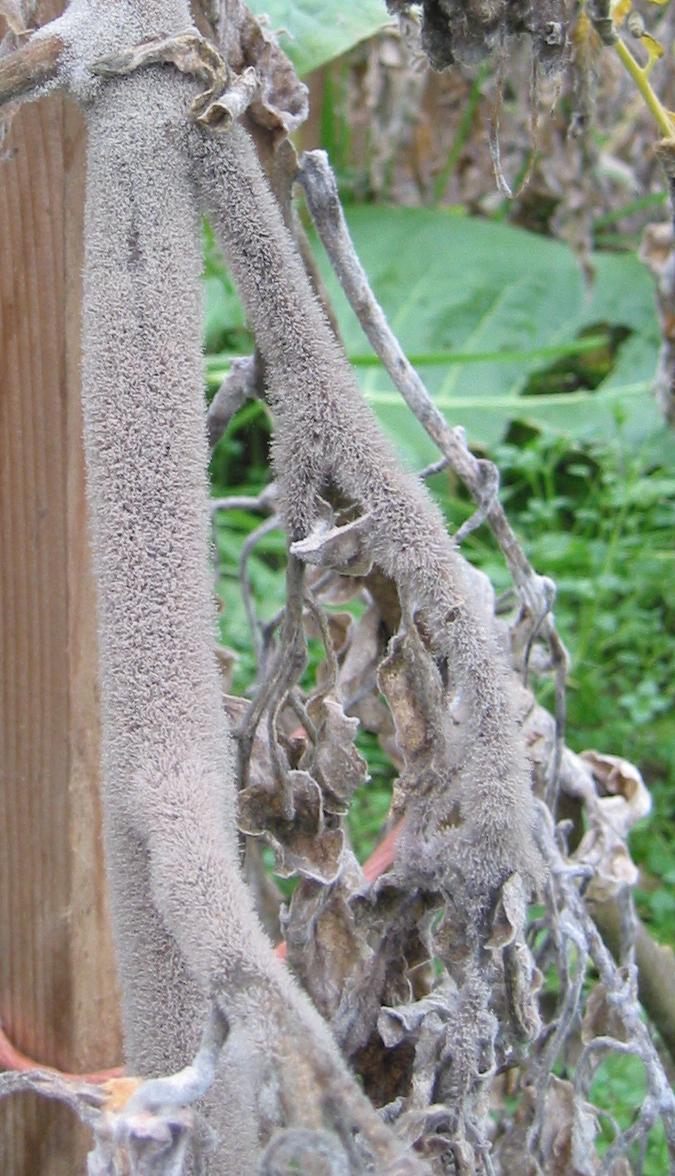
Gray Mold (Botrytis)
What it is and its pathogen
Gray mold, locally known as 'Kulrang chiriyotgan' or 'Серая гниль', is one of the most destructive fungal diseases affecting crops in Uzbekistan, particularly in greenhouses and during the humid periods of the spring and autumn seasons. The disease is caused by the necrotrophic fungus Botrytis cinerea. This pathogen is highly opportunistic, capable of infecting a wide range of plant tissues by secreting enzymes that break down cell walls, leading to rapid tissue decay and the characteristic fuzzy gray sporulation that gives the disease its name.
Which crops it affects
Botrytis cinerea has an exceptionally broad host range. In Uzbekistan, it is a significant threat to greenhouse-grown tomatoes, cucumbers, and peppers. It also causes substantial losses in vineyards (grapes), strawberries, and various ornamental flowers. Because the fungus can survive in soil, on plant debris, and as sclerotia (hardened fungal masses), it remains a persistent challenge for intensive agricultural operations.
Symptoms
- Leaves: Initial appearance of pale, water-soaked spots that rapidly expand into large, necrotic brown lesions, often covered in a dense, dusty gray fungal mass.
- Stems: Development of elongated, sunken, light-brown cankers. If the infection girdles the stem, the entire plant or branch above the lesion will wilt and die.
- Fruits: Soft, watery rot that spreads quickly. Infected fruits become covered in a thick layer of gray spores, eventually shriveling into mummified remains.
- Roots: While less common as a primary root pathogen, it can cause damping-off in seedlings and collar rot at the base of the plant stem.
Conditions that favour it
The development of gray mold is heavily dependent on moisture and temperature. The fungus thrives in high relative humidity (above 90%) and temperatures between 15°C and 25°C. In Uzbekistan’s climate, the disease is most prevalent in greenhouses with poor ventilation or during periods of prolonged rainfall. Spores are easily spread by wind, splashing water, contaminated tools, and the movement of workers within the field or greenhouse. Dense canopy foliage that prevents airflow creates a microclimate that is ideal for rapid infection.
Prevention
- Agronomic measures: Ensure proper plant spacing to improve air circulation and reduce humidity around the foliage. Prune lower leaves to lift the canopy off the ground.
- Resistant varieties: Whenever possible, select crop varieties that have been bred for resistance or tolerance to Botrytis.
- Crop rotation: Avoid planting susceptible crops in the same soil for consecutive years to reduce the buildup of sclerotia.
- Irrigation: Use drip irrigation to keep the foliage dry. Avoid overhead watering, which promotes spore dispersal and leaf wetness.
- Hygiene: Remove and destroy all infected plant material immediately. Do not compost diseased plants. Sanitize tools regularly with disinfectant solutions.
Treatment
Effective management requires an integrated approach. Biological control options include the use of beneficial fungi such as Trichoderma harzianum or Bacillus subtilis, which can be applied as a preventive measure to colonize plant surfaces and compete with the pathogen. For chemical control, farmers should utilize active ingredients such as cyprodinil + fludioxonil, fenhexamid, boscalid, or iprodione. When using chemical fungicides, always follow the specific product label instructions regarding application frequency and the mandatory waiting period before harvest. To prevent the development of resistance in the fungal population, it is critical to alternate between different chemical groups (modes of action) throughout the growing season.
Quick checklist for the farmer
- Monitor greenhouses daily for early signs of gray, fuzzy growth.
- Improve ventilation in greenhouses by opening vents or using fans during humid periods.
- Prune and remove infected plant parts immediately, placing them in sealed bags.
- Avoid working in the field or greenhouse when plants are wet to prevent spreading spores.
- Rotate chemical fungicides to ensure long-term efficacy and manage resistance.
- Ensure proper drainage in fields to prevent waterlogging.