
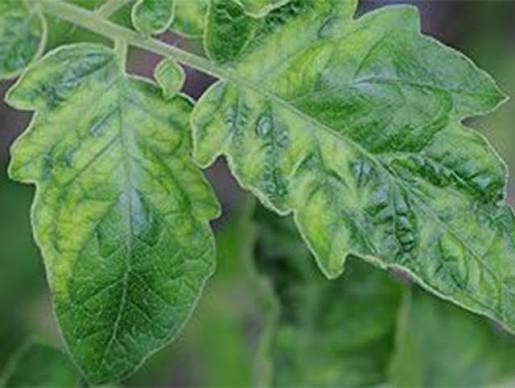
Mosaic Virus
What is Mosaic Virus and Its Pathogen?
Mosaic virus refers to a large group of highly contagious plant viruses that cause characteristic mottled or "mosaic" patterns on infected foliage. The most prominent pathogens affecting vegetable and field crops include Tomato mosaic virus (ToMV), Tobacco mosaic virus (TMV), and Cucumber mosaic virus (CMV). These viruses disrupt normal chlorophyll production, severely impairing photosynthesis, weakening the plant, and drastically reducing yield quality and quantity. Once a plant is infected, the virus spreads systemic through its vascular tissue, making cure impossible for that specific plant.
Crops Affected
Mosaic viruses have an extremely broad host range. In Central Asia and Uzbekistan, they pose severe threats to solanaceous crops (tomatoes, peppers, eggplants, potatoes) and cucurbits (cucumbers, melons, watermelons, squashes). They also infect industrial crops like tobacco and cotton, as well as various leguminous crops and weeds.
Symptoms
- Leaves: Distinct light and dark green or yellow mottled (mosaic) patterns, leaf crinkling, blistering, twisting, narrow "shoestring" deformation, and stunted growth.
- Stems: Internal browning, dark necrotic streaks, and overall dwarfing of the plant frame.
- Fruits: Irregular ripening, yellow or brown rings and blotches, distorted shapes, reduced size, and bitter or woody internal tissues.
- Roots: Stunted root system development, leading to poor nutrient uptake and premature wilting under heat stress.
Conditions That Favour Development
Mosaic viruses thrive in warm temperatures (25°C to 35°C), which accelerate viral replication inside the plant host. In Uzbekistan, high greenhouse temperatures and dry summer conditions create ideal environments for rapid symptom expression. The transmission of these viruses occurs primarily through two pathways: mechanical contact (tools, hands, clothing, and pruning shears during routine maintenance) and insect vectors (principally aphids, thrips, and whiteflies, especially for CMV). Furthermore, TMV and ToMV are exceptionally stable and can survive for years in crop debris, dry seed coats, contaminated soil, and even manufactured tobacco products.
Prevention Measures
- Resistant Varieties: Always select seeds and hybrids bred with genetic resistance (look for ToMV, TMV, or CMV resistance codes on commercial seed packets).
- Certified Seed: Use only certified disease-free seeds; self-saved seeds from previously infected fields often carry the virus internally or externally.
- Strict Sanitation: Disinfect hands, footwear, and tools using a 10% solution of trisodium phosphate (TSP) or skimmed milk powder solution before entering fields or greenhouses.
- Crop Rotation: Rotate solanaceous and cucurbit crops with non-host families like corn, wheat, or legumes for at least 2 to 3 years.
- Weed Management: Eradicate perennial weeds around field borders and greenhouse perimeters, as they act as green bridges for vectors and viral reservoirs.
- Vector Barriers: Install fine insect nets (at least 40-mesh) on greenhouse vents to block aphids and thrips from entering.
Treatment Options
There are no direct chemical or biological curative treatments for plants already infected with mosaic viruses. Control strategies must focus entirely on preventing spread and managing insect vectors.
Biological Options: Encourage natural predators like ladybugs, lacewings, and predatory mites to suppress aphid and thrips populations. Application of botanical soaps or neem oil can help suppress soft-bodied insect vectors in organic systems.
Chemical Options: To halt vector-borne spread (especially for CMV), control sap-sucking insects using systemic and contact insecticides such as acetamiprid, imidacloprid, thiamethoxam, or flonicamid. If mechanical viruses (ToMV/TMV) are detected, immediately rogue (pull up and destroy) infected plants. Always follow the manufacturer's product label regarding dosage, safety protocols, and strict pre-harvest interval (PHI) periods. Alternate active ingredient chemical classes to prevent insect vectors from developing resistance.
Quick Checklist for Farmers
- Inspect seedlings regularly for yellow mottling, leaf curling, or stunted growth before transplanting.
- Disinfect tools and hands frequently during pruning and harvesting operations.
- Prohibit smoking or using tobacco products near greenhouses or field crops.
- Rogue out and burn infected plants immediately; do not compost virus-infected material.
- Monitor and control aphid populations early using yellow sticky traps and insecticidal sprays.
- Clean thoroughly and solarize greenhouse soils between cropping cycles.