
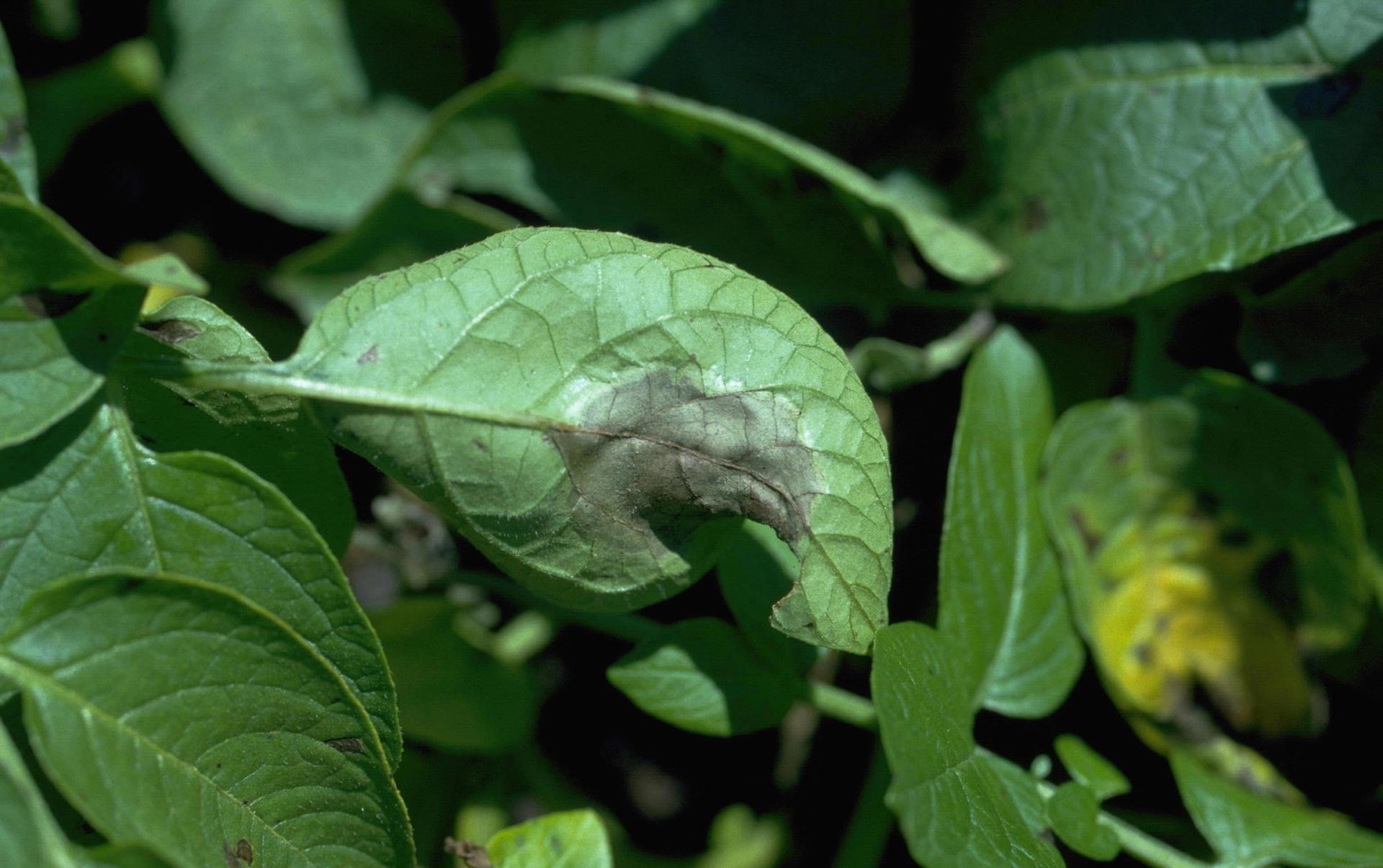
Pepper Late Blight
What it is and its pathogen
Phytophthora blight, locally known as fitoftoroz, is one of the most devastating diseases affecting pepper production in Uzbekistan. It is caused by the oomycete pathogen Phytophthora capsici. Unlike true fungi, this pathogen thrives in water-saturated environments and can survive in the soil for several years as thick-walled resting spores called oospores. In the hot, irrigated fields of Uzbekistan, this disease can lead to total crop failure if not managed proactively.
Which crops it affects
While the pathogen is most notorious for its impact on pepper (both sweet and chili varieties), it has a wide host range. It frequently affects other Solanaceous crops such as tomatoes and eggplants, as well as Cucurbits like cucumbers, melons, pumpkins, and squash. Because of this, crop rotation involving these families is critical to breaking the disease cycle.
Symptoms
- Roots and Crown: The most characteristic symptom is a dark, water-soaked lesion at the base of the stem (crown rot), which leads to rapid wilting and collapse of the entire plant. Roots often turn brown and decay.
- Leaves: Irregular, water-soaked spots appear, which eventually turn necrotic and brown. Under high humidity, a faint white mold may develop on the underside of the leaves.
- Stems: Dark, sunken lesions develop on the stems, often girdling them and cutting off nutrient transport.
- Fruits: Infected fruits show water-soaked, olive-green areas that quickly expand, often becoming covered in a white, cottony growth of the pathogen. Fruits may shrivel and mummify on the plant.
Conditions that favour it
Phytophthora capsici is a water-loving pathogen. It thrives in temperatures between 20°C and 30°C, which are common during the Uzbek summer. The disease is primarily spread through contaminated irrigation water, heavy rainfall, or flooding. Once the soil becomes saturated, the pathogen produces motile zoospores that swim through the water film to infect healthy roots and stems. Poor drainage in greenhouses or low-lying field areas significantly increases the risk of an outbreak.
Prevention
- Drainage: Ensure fields are well-leveled and have excellent drainage to prevent standing water. In greenhouses, use raised beds to keep the root zone above the water line.
- Irrigation Management: Avoid over-irrigation. Drip irrigation is preferred over furrow irrigation to keep the base of the plant dry.
- Crop Rotation: Implement a 3-4 year rotation cycle with non-host crops like cereals or onions. Avoid planting peppers where tomatoes or cucumbers were grown the previous year.
- Sanitation: Remove and destroy infected plants immediately, including the root system. Do not compost diseased material.
- Resistant Varieties: Use certified, disease-resistant pepper cultivars if available in the local market.
Treatment
Biological control options include the use of Trichoderma harzianum or Bacillus subtilis-based products, which can help suppress soil-borne pathogens when applied as a soil drench early in the season. For chemical control, the following active ingredients are effective when used preventatively or at the first sign of symptoms: mefenoxam, metalaxyl, dimethomorph, fluopicolide, or copper hydroxide. Always follow the specific product label for application rates and safety instructions. It is vital to observe the waiting period before harvest to ensure food safety. To prevent the pathogen from developing resistance, rotate between different chemical groups (e.g., do not use the same active ingredient twice in a row).
Quick checklist for the farmer
- Check fields for wilting plants every morning.
- Ensure irrigation water is not flowing from an infected field to a healthy one.
- Clean tools and equipment after working in suspected infected areas.
- Apply fungicides preventatively if weather forecasts predict heavy, prolonged rain.
- Monitor soil moisture levels closely; do not let the soil remain waterlogged.