
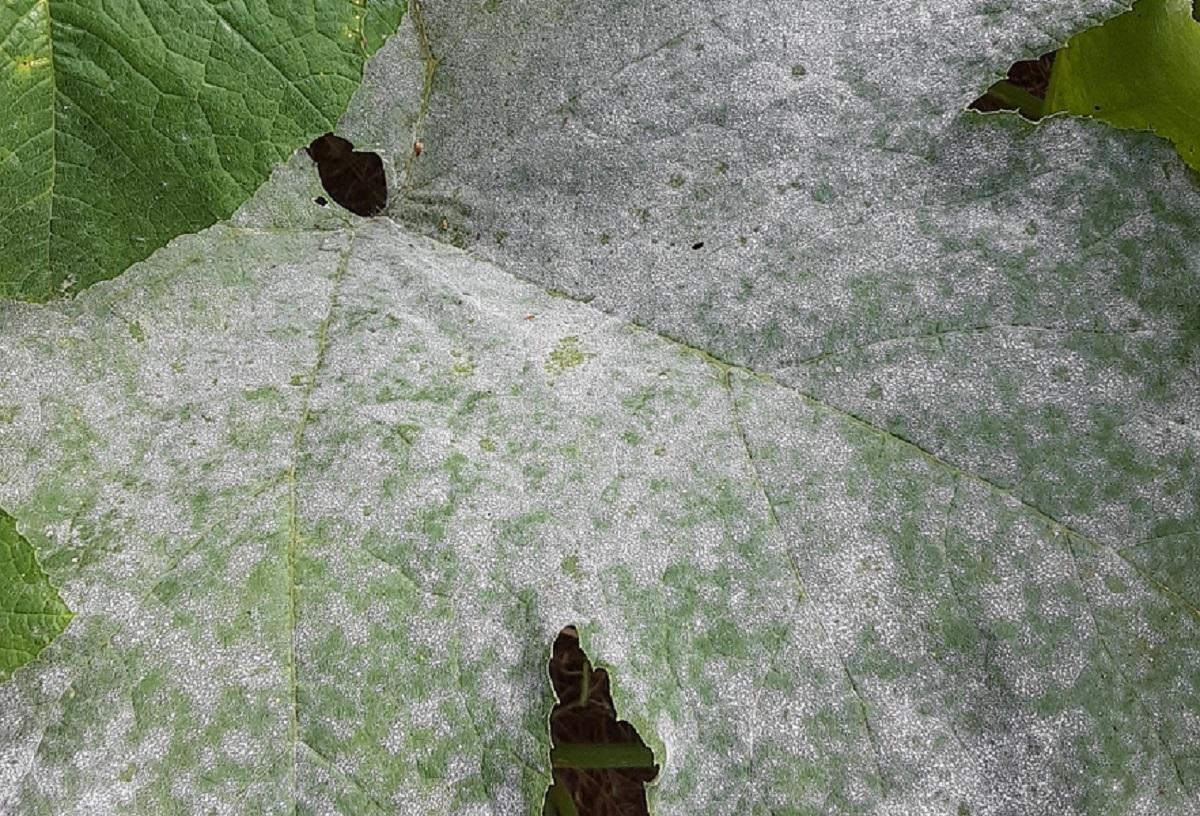
Powdery Mildew
What is Powdery Mildew?
Powdery mildew (locally known as unshudring) is one of the most widespread and recognizable fungal diseases affecting crops in Uzbekistan. Unlike many other fungal pathogens, it is caused by several closely related species of obligate biotrophic fungi in the order Erysiphales. Common culprits include Leveillula taurica (frequent in hot, dry conditions on solanaceous crops), Erysiphe cichoracearum, Podosphaera xanthii (on cucurbits), and Blumeria graminis (on cereals). The fungus lives primarily on the surface of plant tissues, sending specialized feeding structures called haustoria into the host's epidermal cells to extract nutrients.
Affected Crops
Powdery mildew has an extremely broad host range across both open-field and greenhouse production in Uzbekistan. Major vulnerable crops include:
- Cucurbits: Melons, watermelons, cucumbers, pumpkins, and squash.
- Solanaceous crops: Tomatoes, peppers, and eggplants.
- Fruit crops & Vines: Grapes (caused by Uncinula necator), apples, and peaches.
- Industrial & cereal crops: Cotton, wheat, and barley.
Symptoms
Symptoms typically start on older leaves and progress to younger foliage, stems, and occasionally fruits if left unchecked. Look for the following signs:
- Leaves: Talcum-powder-like white to grayish circular patches on the upper and lower leaf surfaces. Over time, affected leaves turn yellow, curl upward, brown, and dry up prematurely (necrosis).
- Stems and Petioles: White powdery fungal growth covering green stems, causing them to become brittle.
- Fruits: Direct infection of fruits is less common, but exposed fruits suffer from sunscald due to premature defoliation. On grapes and stone fruits, early infection leads to russeting, scarring, or cracking of the fruit skin.
- Roots: Roots are not directly infected, but severe foliar damage starves the root system of carbohydrates, leading to stunted overall growth.
Favourable Conditions for Development
Powdery mildew thrives under conditions unique to Central Asian microclimates. Unlike downy mildew or phytophthora, powdery mildew spores (conidia) do not require free water on the leaf surface to germinate; in fact, heavy rain can wash spores away. The disease rapidly spreads under high relative humidity at night combined with dry, warm daytime temperatures (20°C to 28°C). Shaded, overcrowded fields with poor airflow, excessive nitrogen fertilization, and humid greenhouse environments provide ideal conditions for severe outbreaks.
Prevention and Cultural Control
Preventative management is the most cost-effective way to control powdery mildew in Uzbek conditions. Implement the following agronomic practices:
- Resistant Varieties: Plant localized, high-yielding hybrids and varieties bred for resistance to powdery mildew, especially for cucumbers, melons, and tomatoes.
- Crop Rotation: Practice a 2- to 3-year crop rotation with non-host crops (e.g., rotating cucurbits with corn or legumes) to reduce local inoculum.
- Canopy Management: Prune lower leaves and maintain optimal plant spacing to allow maximum sunlight penetration and ventilation, reducing humidity microclimates around the leaves.
- Irrigation & Nutrition: Use drip irrigation instead of overhead sprinklers. Avoid excessive nitrogen applications, which create dense, succulent foliage highly susceptible to infection; ensure balanced potassium and silicon nutrition to strengthen cell walls.
- Sanitation: Remove and burn or bury infected crop residues immediately after harvest. Keep field margins clean of weed hosts.
Treatment Options
When environmental conditions favour disease development, timely intervention using biological or chemical treatments is necessary.
Biological Controls: Bio-fungicides based on Bacillus subtilis or Ampelomyces quisqualis (a hyperparasite of powdery mildew) can be effective as preventatives or at the very first sign of infection. Potassium bicarbonate, horticultural oils, and sulfur-based bio-formulations disrupt the fungal cell membranes and spores on contact.
Chemical Controls: If disease pressure is high, apply systemic or contact fungicides using approved active ingredients. Effective chemical groups include:
- Inorganic contact protectants: elemental sulfur, copper hydroxide.
- DMI / Triazoles: tebuconazole, difenoconazole, myclobutanil.
- QoI / Strobilurins: azoxystrobin, kresoxim-methyl.
- SDHI fungicides: boscalid, fluxapyroxad.
Always follow the official product label for safety instructions, application rates, and the required pre-harvest interval (PHI). To prevent the rapid development of fungal resistance, strictly alternate active ingredients from different chemical classes with distinct modes of action.
Quick Checklist for Farmers
- Inspect the undersides and lower leaves of crops weekly for white powdery spots.
- Ensure proper plant spacing and prune dense foliage for maximum airflow.
- Avoid over-fertilizing with nitrogen; keep potassium levels balanced.
- Switch from overhead sprinklers to drip irrigation to manage humidity.
- Apply preventative sulfur or bio-fungicides early in the season.
- Alternate chemical groups (e.g., triazoles and strobilurins) to protect against resistance.
- Observe strict waiting periods (PHI) before harvesting sprayed crops.