
Pythium Root Rot
What it is and its pathogen
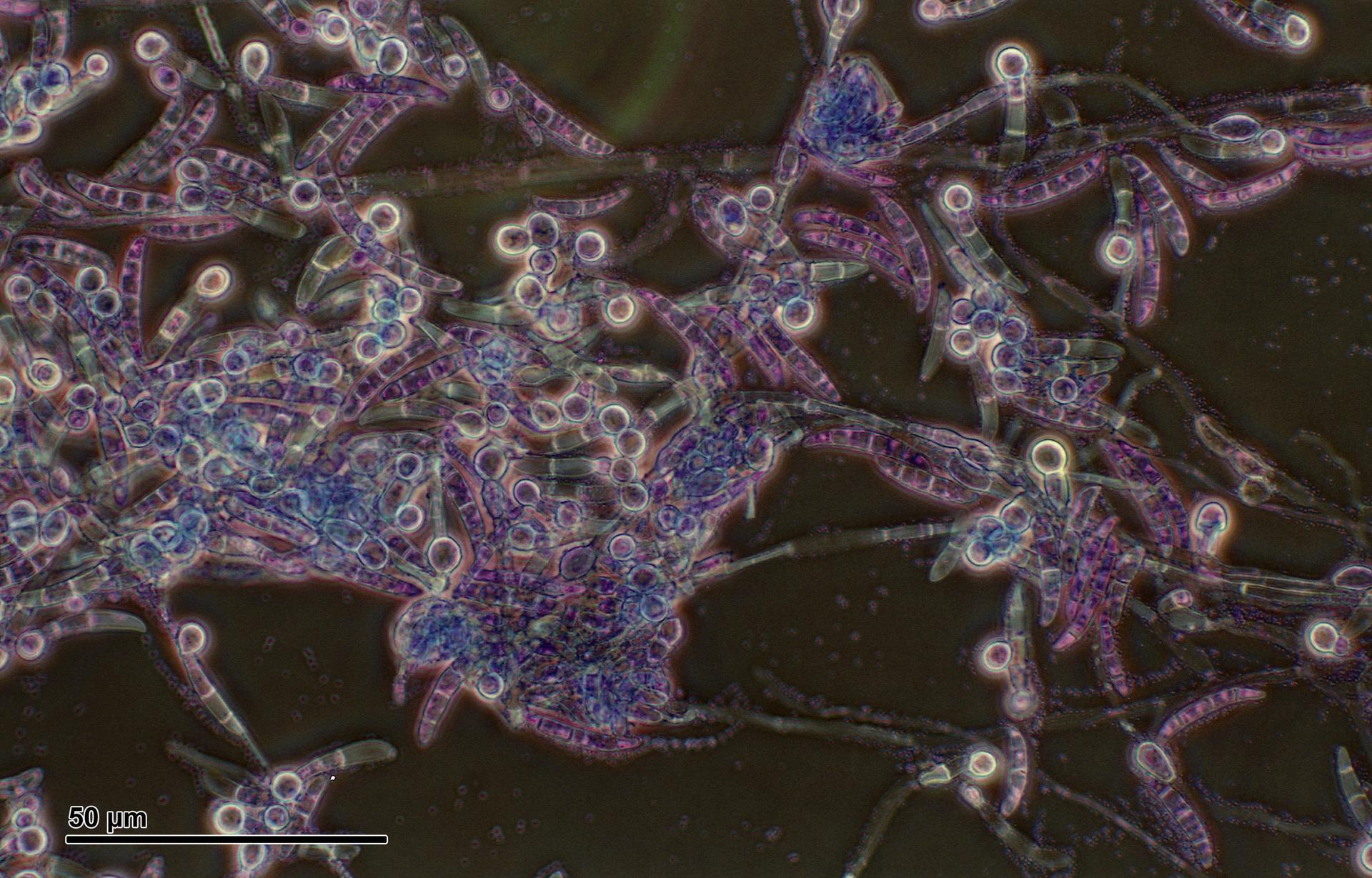
Pythium root rot is a devastating soil-borne disease caused by various species of the oomycete genus Pythium, most notably Pythium ultimum and Pythium aphanidermatum. Often referred to as 'water molds,' these pathogens thrive in saturated soil conditions. In the context of Uzbekistan’s irrigation-dependent agriculture, Pythium poses a significant threat to both open-field crops and greenhouse production, particularly during the seedling stage, where it causes 'damping-off,' leading to rapid collapse and death of young plants.
Which crops it affects
Pythium has a very broad host range. In Uzbekistan, it frequently impacts vegetable crops such as tomatoes, cucumbers, peppers, and eggplants, especially in greenhouse environments. It also affects field crops including cotton, alfalfa, and various legumes. Because the pathogen survives in the soil for extended periods as oospores, it can persist across seasons, making it a recurring challenge for farmers.
Symptoms
- Seedlings: Sudden wilting and collapse (damping-off) shortly after emergence.
- Roots: The outer cortex of the root system becomes soft, mushy, and easily sloughs off, leaving only the central vascular cylinder (the 'rat-tail' symptom).
- Stems: Water-soaked, dark lesions appearing at the soil line, often leading to stem girdling.
- Leaves: General chlorosis (yellowing), stunted growth, and wilting during the heat of the day, even if the soil is moist.
- General: Poor plant vigor and uneven stands in the field or greenhouse trays.
Conditions that favour it
Pythium is an opportunistic pathogen that thrives in high-moisture environments. Temperatures between 15°C and 25°C are optimal for many species, though some thrive in the intense heat of Uzbekistan’s summers if irrigation is excessive. Poor soil drainage, compacted soil, and over-irrigation are the primary drivers of outbreaks. In greenhouses, high humidity and poor ventilation exacerbate the spread, as the zoospores (motile spores) can swim through water films in the soil or hydroponic nutrient solutions to infect healthy roots.
Prevention
- Drainage: Ensure fields and greenhouse beds have excellent drainage to prevent standing water.
- Irrigation Management: Avoid over-watering. Allow the top layer of soil to dry slightly between irrigation cycles.
- Sanitation: Use only certified, disease-free seeds and pathogen-free growing media. Sterilize greenhouse tools and trays between crops.
- Crop Rotation: Rotate susceptible crops with non-hosts, such as cereals, to reduce soil inoculum levels.
- Soil Health: Incorporate organic matter to improve soil structure and promote beneficial microbial activity, which can suppress Pythium.
- Resistant Varieties: Where available, select cultivars with known tolerance to root pathogens.
Treatment
Biological control options include the use of beneficial fungi such as Trichoderma harzianum or bacteria like Bacillus subtilis, which colonize the root zone and compete with Pythium for space and nutrients. For chemical intervention, active ingredients such as metalaxyl-m, mefenoxam, or propamocarb hydrochloride are commonly used. In some cases, fosetyl-aluminum is applied as a preventative measure. Always follow the specific product label for application instructions and strictly observe the required waiting period (pre-harvest interval) before consuming or selling the produce. To prevent the development of resistant strains, it is critical to alternate between different chemical groups throughout the growing season.
Quick checklist for the farmer
- Check for water-soaked stems and mushy roots during routine scouting.
- Improve drainage in low-lying areas of the field.
- Avoid excessive irrigation, especially during cool, overcast weather.
- Disinfect greenhouse equipment regularly.
- Use biological inoculants (Trichoderma) as a preventative measure in nurseries.
- Rotate crops to break the pathogen life cycle.
- Apply fungicides only when necessary and rotate active ingredients to avoid resistance.