
Root Rot
What it is and its pathogen
Root rot, known locally as Ildiz chirishi, is a devastating complex of soil-borne diseases that compromise the root systems of plants, preventing the uptake of water and nutrients. In Uzbekistan, this condition is primarily caused by a complex of fungal pathogens, most notably Fusarium spp., Rhizoctonia solani, and Pythium spp. These pathogens persist in the soil for many years, forming resilient structures like chlamydospores or sclerotia that withstand the harsh, cold winters of the region. Once the soil warms up and moisture is introduced through irrigation, these pathogens become active, attacking the root tissues of young seedlings and established crops alike.
Which crops it affects
Root rot is a non-specific pathogen complex that affects a wide range of economically vital crops in Uzbekistan. It is particularly destructive in cotton fields, vegetable greenhouses (tomatoes, cucumbers, and peppers), and orchards. Legumes, cereals, and melons are also highly susceptible, especially when grown in monoculture or poorly drained soils.
Symptoms
The symptoms of root rot often manifest above ground only after the root system is already severely damaged. Key indicators include:
- Leaves: Yellowing (chlorosis), wilting during the hottest parts of the day, and premature leaf drop.
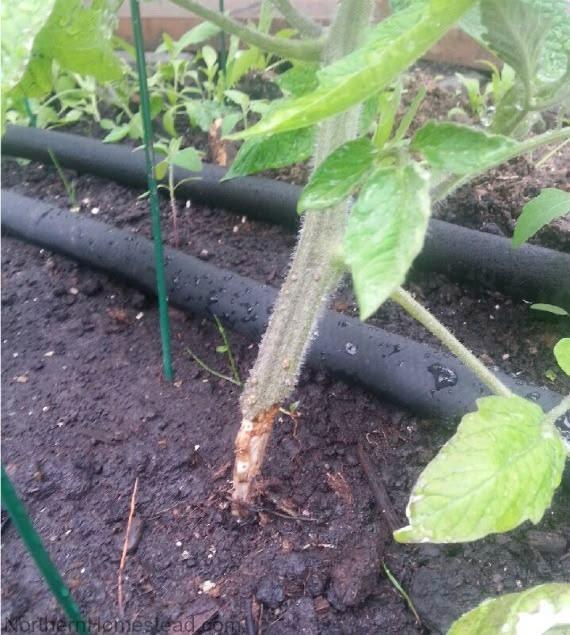
- Stems: Dark, sunken lesions near the soil line (damping-off in seedlings) and stunted overall growth.
- Fruits: Reduced fruit set, poor development, and premature ripening or rot.
- Roots: Discoloration (brown or black tissue), softening or 'mushiness' of the root cortex, loss of fine feeder roots, and in severe cases, complete decay of the taproot.
Conditions that favour it
The disease thrives in environments where soil moisture levels are poorly managed. In Uzbekistan’s climate, the transition from cold winters to hot summers creates specific risks. Excessive irrigation, poor soil drainage, and soil compaction create anaerobic conditions that favor Pythium. Conversely, Fusarium species often thrive in warmer, drier soil conditions. The pathogen spreads rapidly through contaminated irrigation water, movement of infested soil on farm machinery, and the use of infected seeds or transplants.
Prevention
Effective management of root rot relies on an integrated approach to break the pathogen's life cycle:
- Agronomic Measures: Improve soil drainage through deep plowing and leveling of fields to prevent water stagnation.
- Resistant Varieties: Use certified, disease-resistant seeds or rootstocks specifically bred for local conditions.
- Crop Rotation: Implement a strict 3-4 year rotation cycle, avoiding susceptible crops in the same field consecutively.
- Irrigation: Avoid over-watering; utilize drip irrigation systems to deliver water directly to the root zone without saturating the surrounding soil.
- Hygiene: Remove and destroy infected plant debris immediately. Sanitize tools and machinery moving between different plots.
Treatment
When symptoms appear, biological and chemical interventions can help manage the spread. For biological control, products containing Trichoderma harzianum or Bacillus subtilis can be applied to the soil to compete with and suppress pathogenic fungi. For chemical control, active ingredients such as metalaxyl, propamocarb, fosetyl-aluminum, or azoxystrobin may be used depending on the specific pathogen identified. Always follow the product label instructions carefully, observe the mandatory waiting period before harvest, and alternate active ingredients to prevent the development of resistance in the pathogen population.
Quick checklist for the farmer
- Monitor fields for patches of stunted or wilting plants.
- Inspect roots for browning or decay before applying any treatment.
- Ensure irrigation water is clean and fields are properly leveled.
- Rotate crops away from the Solanaceae and Malvaceae families.
- Use biological fungicides as a preventative measure in greenhouses.
- Always sanitize equipment after working in infested areas.