
Sclerotinia Rot
What it is and its pathogen
Sclerotinia rot, commonly known as white mold, is a devastating fungal disease caused by the pathogen Sclerotinia sclerotiorum. This soil-borne fungus is highly persistent due to its ability to form sclerotia—hard, black, seed-like resting structures that can survive in the soil for several years. In the climatic conditions of Uzbekistan, these sclerotia remain dormant during the cold winters and germinate when soil temperatures and moisture levels become favorable during the growing season.
Which crops it affects
Sclerotinia sclerotiorum has an exceptionally wide host range, making it a significant threat to agricultural diversity. In Uzbekistan, it frequently affects vegetable crops such as tomatoes, cucumbers, peppers, and eggplants, particularly in greenhouse environments. It also causes severe damage to field crops including sunflowers, beans, potatoes, and various leafy greens. The pathogen's ability to infect almost any dicotyledonous plant makes it a persistent challenge for multi-crop farmers.
Symptoms
The disease is characterized by a rapid, watery rot that eventually becomes covered in a dense, white, cottony mycelial growth. Symptoms include:
- Leaves: Initial water-soaked lesions that expand rapidly, leading to wilting and tissue collapse.
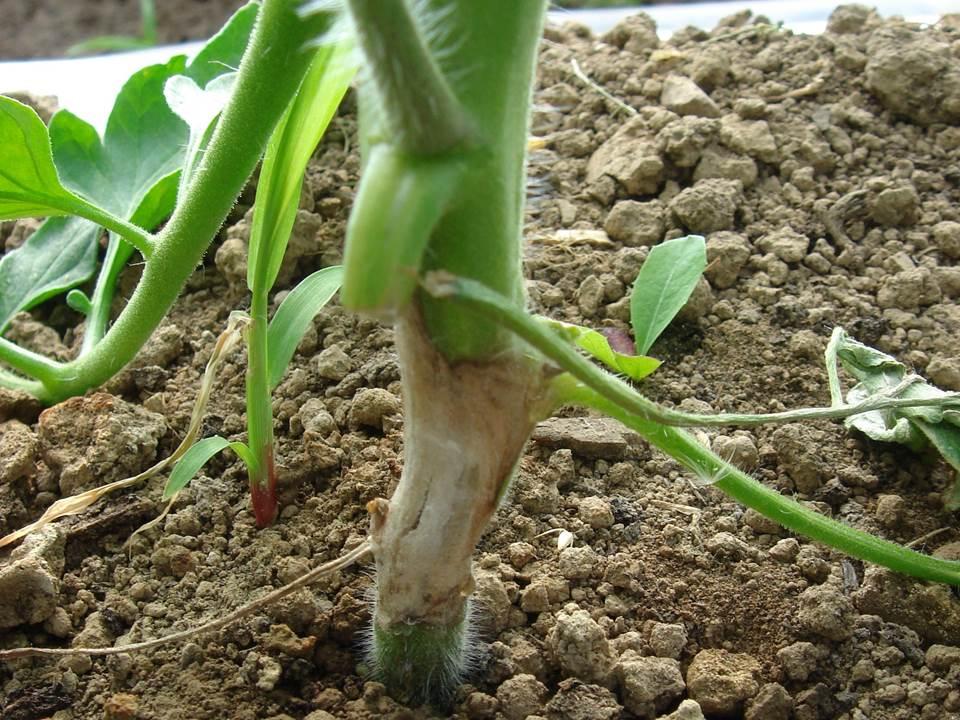
- Stems: Soft, bleached, or light-colored lesions often appearing near the soil line, eventually girdling the stem and causing the plant to wilt and die.
- Fruits: Soft, mushy rot on fruits touching the soil or infected foliage, often developing the characteristic white fungal mat.
- Roots: Internal decay of the crown and root system, often accompanied by the formation of black, irregular sclerotia inside the hollowed-out stems or on the surface of decaying tissue.
Conditions that favour it
The disease thrives in environments characterized by high humidity and moderate temperatures. In Uzbekistan, while summers are hot and dry, the microclimate within dense crop canopies, greenhouses, and irrigated fields provides the necessary moisture for infection. The fungus is spread primarily through wind-borne ascospores produced by germinating sclerotia, as well as through the movement of contaminated soil, water, and infected plant debris. Poor ventilation in greenhouses and excessive overhead irrigation are primary drivers of outbreaks.
Prevention
Managing Sclerotinia requires an integrated approach focusing on breaking the pathogen's life cycle:
- Crop Rotation: Rotate susceptible crops with non-host plants, such as cereals or grasses, for at least 3-4 years to reduce sclerotia buildup in the soil.
- Irrigation Management: Avoid overhead irrigation; use drip irrigation to keep foliage dry and reduce surface humidity.
- Hygiene: Promptly remove and destroy infected plant material. Do not compost diseased plants.
- Soil Solarization: Utilize the intense Uzbek summer sun by covering moist soil with clear plastic sheets to heat the upper soil layers, which can significantly reduce the viability of sclerotia.
- Canopy Management: Ensure proper plant spacing and pruning to improve airflow and reduce humidity around the base of the plants.
Treatment
Biological control options include the use of Coniothyrium minitans, a hyperparasitic fungus that feeds on sclerotia in the soil, effectively reducing the inoculum load for the next season. For chemical control, systemic fungicides are most effective when applied preventatively or at the very first sign of infection. Effective active ingredients include boscalid, fludioxonil, iprodione, and thiophanate-methyl. It is critical to alternate between different chemical groups to prevent the development of fungicide resistance. Always follow the product label instructions carefully, observe the mandatory waiting period before harvest, and ensure thorough coverage of the stem base where infection typically begins.
Quick checklist for the farmer
- Monitor fields regularly, especially during periods of high humidity or after rainfall.
- Ensure greenhouse ventilation is maximized to lower relative humidity.
- Remove any plants showing signs of white mold immediately to prevent sclerotia formation.
- Clean all farm machinery thoroughly after working in infested fields to prevent the spread of sclerotia to clean areas.
- Incorporate biological soil amendments to suppress fungal growth naturally.