
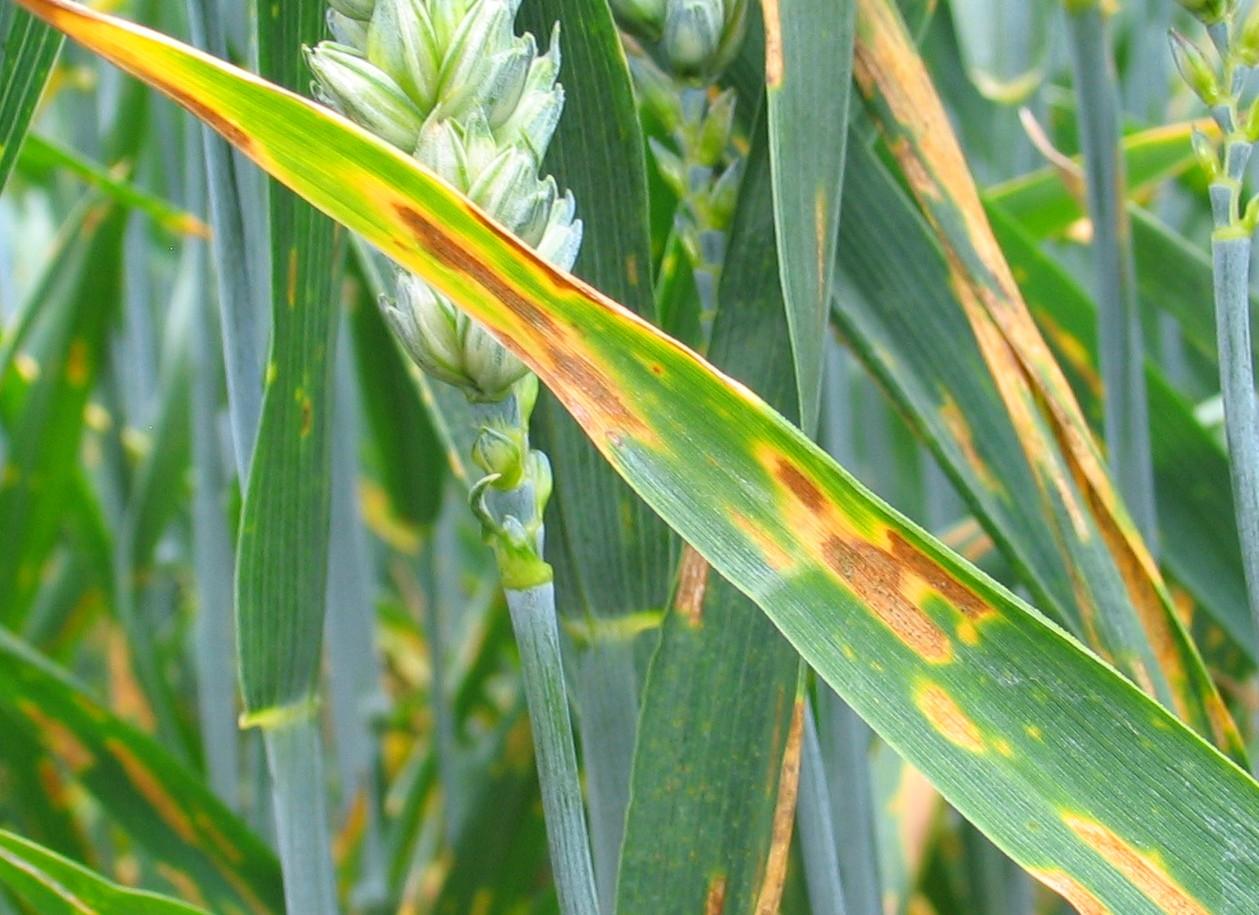
Septoria Leaf Spot
What it is and its pathogen
Septoria leaf spot, commonly known as Septorioz in Uzbekistan, is a devastating fungal disease that significantly impacts crop yields in both open-field agriculture and greenhouse environments. The primary pathogen responsible for this disease is the fungus Septoria lycopersici (when affecting tomatoes) or Septoria tritici (in wheat). The fungus survives in crop debris and soil, producing spores that are splashed onto the lower leaves of plants by rain or irrigation water, initiating the infection cycle.
In the hot, dry climate of Uzbekistan, the disease often flares up during periods of high humidity or excessive overhead irrigation, particularly in the spring and autumn months. If left unmanaged, it can lead to premature defoliation, severely reducing the plant's photosynthetic capacity and resulting in stunted growth and poor fruit or grain development.
Which crops it affects
Septoria is a broad-spectrum pathogen. In Uzbekistan, it is most economically significant in solanaceous crops, particularly tomatoes, potatoes, and eggplants. It is also a major concern for cereal producers, where Septoria tritici blotch can cause substantial losses in wheat yields. Greenhouse growers should be particularly vigilant, as the enclosed, humid environment provides an ideal breeding ground for the fungus throughout the year.
Symptoms
- Leaves: Small, circular, dark-brown spots with greyish-white centers appear initially on the lower, older leaves. These spots may merge, causing the leaf to turn yellow, wither, and drop prematurely.
- Stems: In severe cases, small dark lesions can appear on the stems, though this is less common than leaf infection.
- Fruits: While fruit infection is rare, in extreme cases, small, sunken spots may develop on the surface of the fruit, reducing market quality.
- Roots: The pathogen does not directly attack the root system, but the loss of foliage weakens the plant's overall vigor and root health.
Conditions that favour it
The fungus thrives in temperatures between 20°C and 25°C. While Uzbekistan's summers are hot and dry—conditions that generally inhibit fungal growth—the disease spreads rapidly during the cooler, humid spring and autumn periods. High humidity, prolonged leaf wetness (caused by dew or overhead irrigation), and poor air circulation in greenhouses are the primary drivers of disease spread. Spores are primarily disseminated by splashing water, wind-blown rain, and contaminated tools or clothing.
Prevention
- Crop Rotation: Avoid planting susceptible crops (tomatoes, potatoes) in the same field for at least 3 years. Rotate with non-host crops like onions or legumes.
- Hygiene: Remove and destroy all infected plant debris immediately after harvest. Do not compost infected material.
- Irrigation Management: Use drip irrigation instead of overhead sprinklers to keep foliage dry.
- Airflow: Space plants correctly to ensure good ventilation. In greenhouses, use fans and proper venting to manage humidity.
- Resistant Varieties: Whenever possible, select certified seeds or seedlings that carry resistance or tolerance to Septoria.
Treatment
Effective management requires an integrated approach. For biological control, products containing Bacillus subtilis or Trichoderma harzianum can be applied preventatively to suppress fungal growth. For chemical intervention, several active ingredients are effective. Common chemical groups include: Copper hydroxide or Copper oxychloride (protectants), Mancozeb (multi-site protectant), and systemic fungicides such as Azoxystrobin, Difenoconazole, or Tebuconazole. Always follow the product label for specific application instructions and strictly observe the waiting period (pre-harvest interval) to ensure food safety. To prevent the development of fungal resistance, it is critical to alternate between different chemical groups throughout the growing season.
Quick checklist for the farmer
- Inspect lower leaves weekly for small, grey-centered spots.
- Ensure drip irrigation is used to keep leaves dry.
- Remove and burn infected leaves immediately upon detection.
- Sanitize all pruning tools with a bleach solution between rows.
- Apply fungicides preventatively if weather forecasts predict high humidity.
- Rotate active ingredients to avoid resistance.