
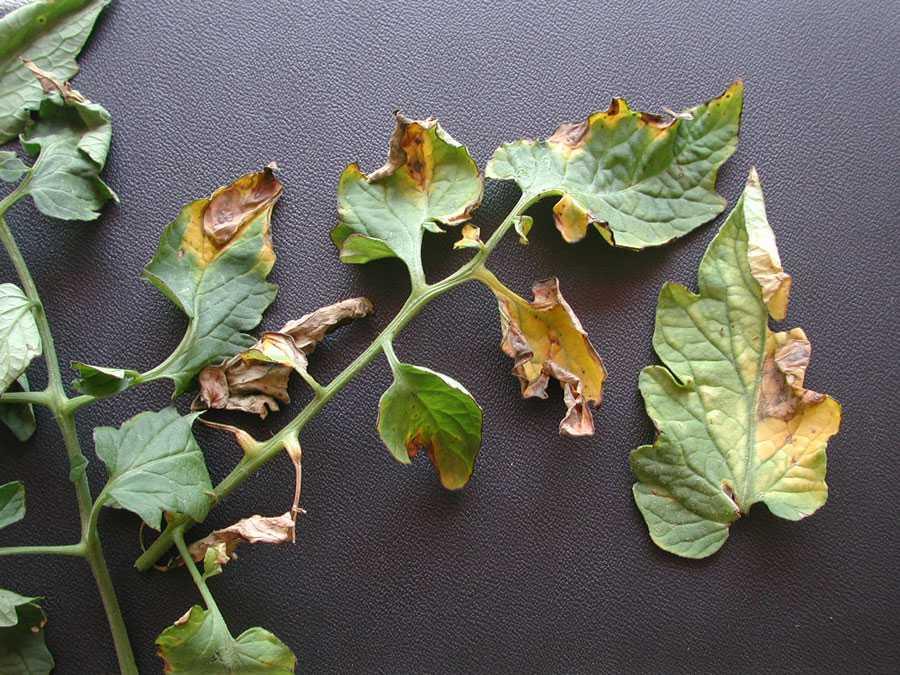
Verticillium Wilt
What it is and its pathogen
Verticillium wilt is a devastating soil-borne fungal disease that poses a significant threat to agricultural productivity in Uzbekistan. The disease is caused by the fungi Verticillium dahliae and Verticillium albo-atrum. These pathogens inhabit the soil for many years as microsclerotia, which are dormant survival structures. Once a susceptible host is planted, the fungus infects the root system, colonizes the xylem (water-conducting vessels), and produces toxins that obstruct water transport, leading to the characteristic wilting and eventual death of the plant.
Which crops it affects
Verticillium wilt has a very broad host range, making it particularly difficult to manage in diversified farming systems. In Uzbekistan, it is a major concern for cotton production, but it also severely impacts solanaceous crops such as tomatoes, peppers, potatoes, and eggplants. Additionally, it affects stone fruits, strawberries, and various cucurbits, often causing significant yield losses in both open-field and greenhouse environments.
Symptoms
Symptoms typically appear during the flowering or fruit-setting stages when the plant's water demand is highest. Key indicators include:
- Leaves: Initial chlorosis (yellowing) between veins, often in a V-shaped pattern, followed by necrosis (browning) and premature leaf drop.
- Stems: If you cut into the lower stem, you will observe a characteristic dark brown or black discoloration of the vascular tissue.
- Fruits: Reduced fruit size, poor quality, and sunscald due to the loss of protective foliage.
- Roots: While external root rot is not always present, the internal vascular system of the root shows significant browning.
- General: Stunted plant growth and wilting that often occurs during the heat of the day, with temporary recovery at night until the infection becomes systemic.
Conditions that favour it
The pathogen thrives in the continental climate of Uzbekistan. While it can persist in a wide range of temperatures, it is most active between 20°C and 28°C. The fungus spreads through contaminated soil, infected plant debris, irrigation water, and farm machinery. In our region, the intensive use of irrigation can facilitate the movement of spores across fields. Once established in the soil, the microsclerotia can survive for over a decade, even in the absence of a host, making it one of the most persistent soil-borne pathogens.
Prevention
Because there is no cure for systemic Verticillium infection, prevention is your primary defense:
- Crop Rotation: Avoid planting susceptible crops (cotton, tomatoes, potatoes) in the same field for at least 4–5 years. Rotate with non-host crops like cereals or corn.
- Resistant Varieties: Whenever available, choose certified seeds or cultivars specifically bred for resistance to Verticillium.
- Field Hygiene: Remove and destroy all infected plant residues immediately after harvest. Do not compost infected material.
- Soil Solarization: In greenhouse or small-scale field operations, cover moist soil with clear plastic during the hottest months of the year to heat the soil and reduce pathogen populations.
- Irrigation Management: Ensure proper drainage to avoid waterlogging, which stresses roots and promotes fungal entry.
Treatment
Chemical control of Verticillium wilt is challenging because the pathogen resides deep within the plant's vascular system. Biological options include the use of beneficial soil microbes such as Trichoderma harzianum or Bacillus subtilis, which can be applied to the root zone to compete with the pathogen. For chemical management, soil fumigation before planting is the most effective method, though it is costly. In standing crops, systemic fungicides may provide temporary suppression. Active ingredients include thiophanate-methyl or certain triazoles. Always follow the product label for specific application rates, and strictly observe the waiting period before harvest. To prevent the development of resistance, it is critical to alternate between different chemical groups and integrate these with biological control measures.
Quick checklist for the farmer
- Inspect fields regularly for V-shaped yellowing on lower leaves.
- Check for vascular browning by slicing the base of the stem.
- Clean all farm machinery thoroughly when moving between fields to prevent spreading soil.
- Prioritize the removal of infected crop debris to reduce the inoculum load for next season.
- Consult with local agricultural extension services to identify resistant varieties suitable for your specific soil type.