
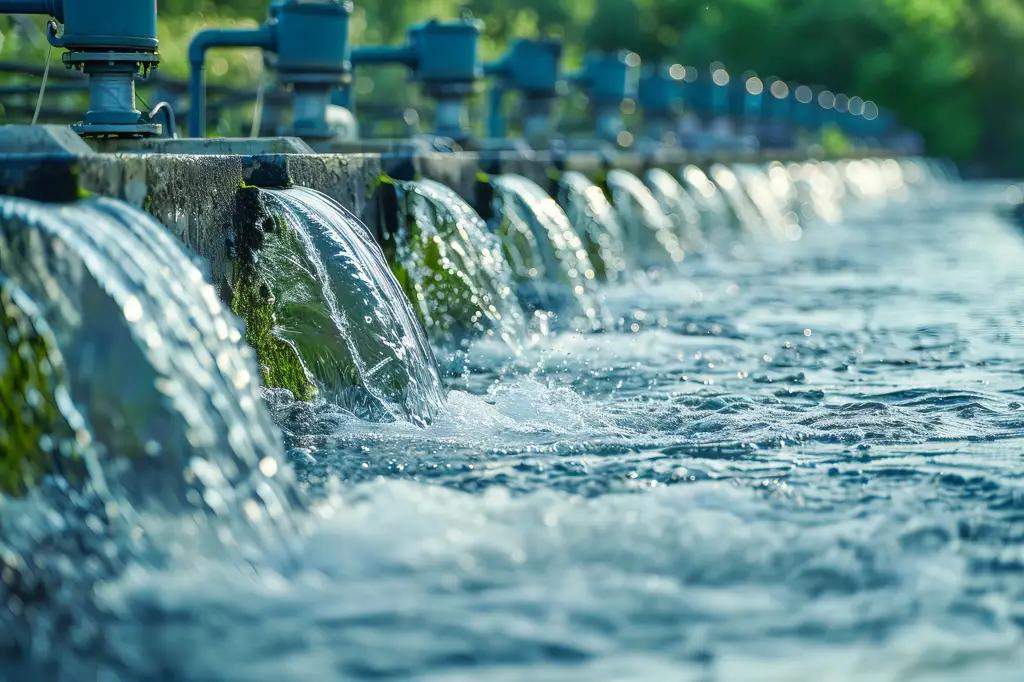
Central Asia Strengthens Water Diplomacy and Modernizes Irrigation Systems
In Central Asia, agriculture accounts for nearly 90 percent of fresh water consumption. The region relies heavily on the Amu Darya and Syr Darya rivers, which flow through several countries. Upper-riparian states utilize water for hydropower, whereas lower-riparian nations depend on reliable flows during the crop vegetation season.
Regional cooperation is progressing rapidly. On November 15, 2025, Uzbekistan and Kazakhstan signed an agreement on joint management of transboundary water assets. In May 2026, the Uzbek-Kyrgyz water commission convened, and by June, Uzbekistan, Kazakhstan, and Kyrgyzstan agreed on water volumes and electricity deliveries for the season.
Additionally, on July 21, 2026, the World Bank approved a $20 million grant for the Executive Committee of the International Fund for Saving the Aral Sea to improve regional water management and data sharing.
- Infrastructure projects like the Qosh Tepa canal necessitate precise resource planning.
- Modern water metering and monitoring systems are being implemented across rivers.
- Adopting water-saving methods eases pressure on shared river basins.
For farmers
Given the tight regional water supply, farmers should adopt modern drip or sprinkler irrigation technologies and maintain field canals to prevent unnecessary water loss.
Source: UzA