
How India Became a Global Leader in Rice Exports
Systemic agricultural reforms and government subsidies have transformed India into a global powerhouse for rice production. Once struggling with food shortages in 1965, India now accounts for 40% of global rice trade. In the 2025/2026 season, production reached a record 154 million tons.
Key factors behind this success include:
- New Varieties: The introduction of high-yield and flood-resistant rice varieties like Swarna-SUB1.
- Government Support: Guaranteed minimum purchase prices and additional incentive bonuses for farmers.
- Subsidies: In the 2025/2026 fiscal year, food subsidies amounted to 24.1 billion dollars.
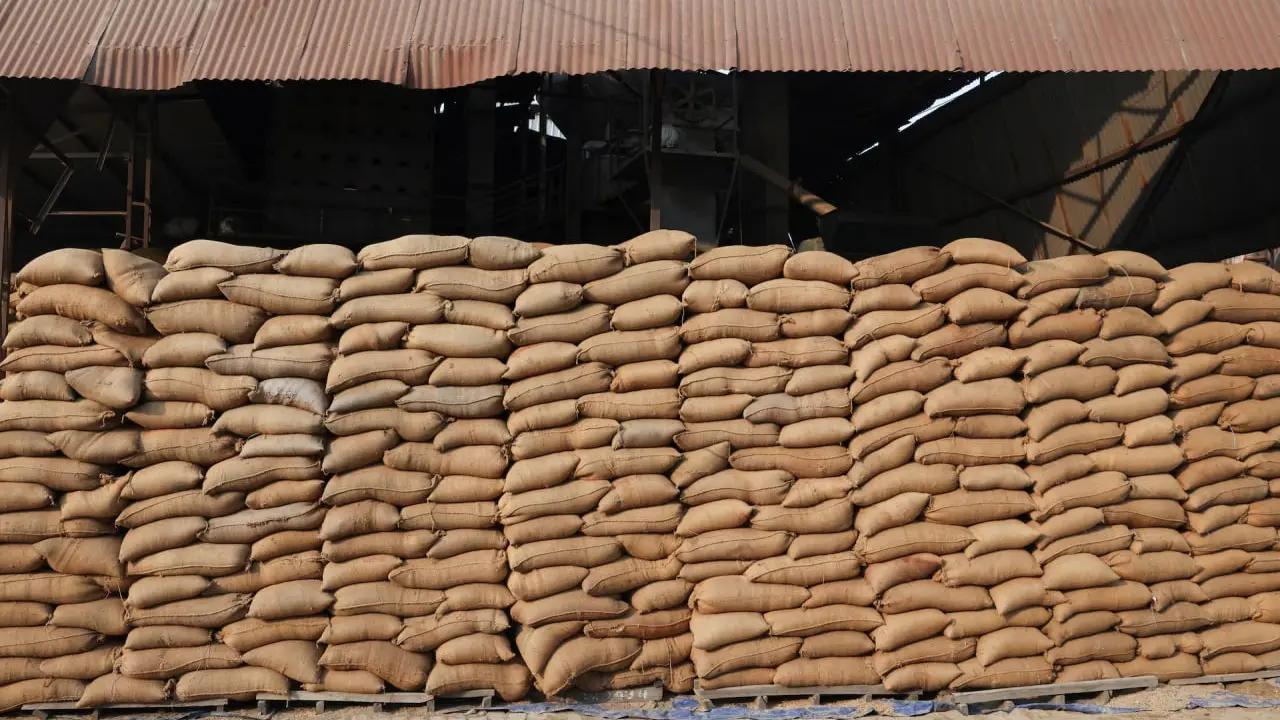
However, this policy is placing a heavy burden on the state budget and leading to massive surplus stocks. India's low-priced rice is intensifying global market competition, drawing criticism from major producers like Thailand and the United States.
For farmers
To increase yields, it is essential to prioritize not just fertilizers, but the selection of crop varieties specifically adapted to local climate risks, such as flood or drought resistance.
Source: Daryo.uz