
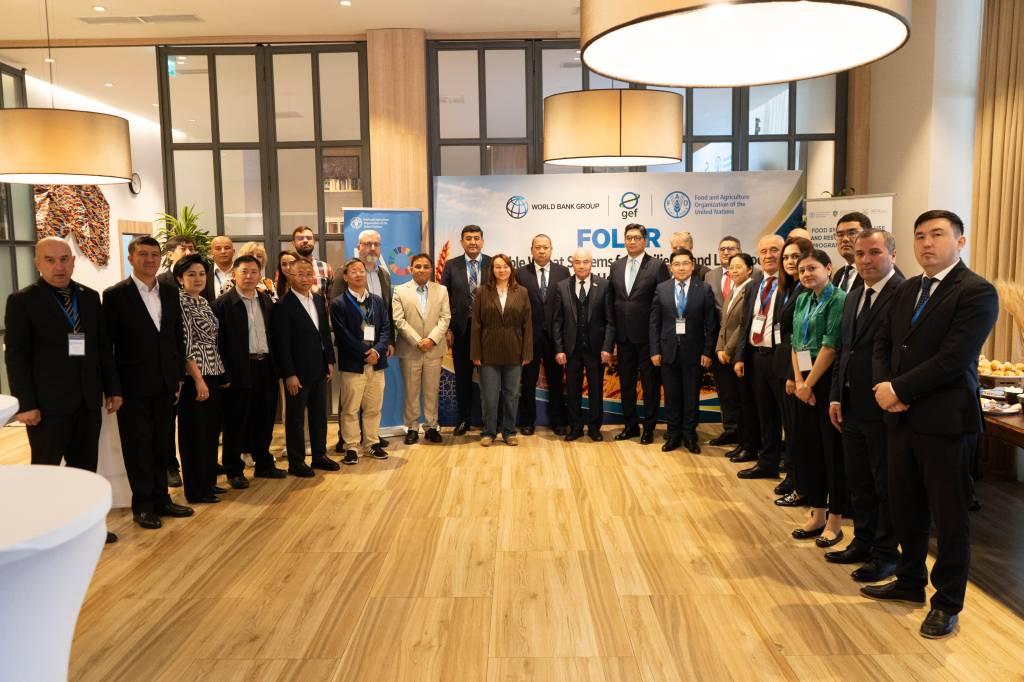
International experience in sustainable wheat production discussed in Samarkand
An international conference held in Samarkand, organized by the FAO under the FOLUR program, focused on ensuring sustainability in wheat production. The event highlighted the importance of soil fertility, resource-saving technologies, and the implementation of digital solutions in agriculture.
Experts and scientists from dozens of countries participated in the discussions. Attendees shared best practices regarding minimum tillage, crop diversification, and biological plant protection. Practical demonstrations from the Qashqadaryo region showcased innovative methods such as rainwater harvesting, no-till farming, and digital irrigation systems for cotton and wheat fields.
These approaches are designed to help farmers adapt to climate change while reducing water consumption and operational costs. The goal is to transform scientific recommendations into practical tools that increase productivity and minimize environmental impact in the agricultural sector.
For farmers
Adopting no-till farming and digital irrigation technologies can significantly reduce water usage and costs while maintaining high crop yields.
Source: UzA